Circuit Breaker
Circuit breakers play an indispensable role in power systems. Their working principle is based on overload protection, short circuit protection and undervoltage protection. They can quickly cut off the current when the circuit is abnormal, ensuring the safe operation of electrical equipment.
In terms of overload protection, when the current in the circuit exceeds the rated value of the Circuit breaker, the internal thermal element will deform due to heat, and then trigger the tripping mechanism to automatically cut off the circuit. This mechanism effectively prevents equipment damage and fire risks caused by excessive current.
Short circuit protection is another important function of Circuit breakers. When a short circuit occurs in the circuit, the short-circuit current will increase rapidly, and the electromagnetic release will respond quickly, driving the tripping mechanism to operate, causing the Circuit breaker to trip in a very short time, cutting off the circuit and preventing the short-circuit current from further damaging the equipment and system.
Circuit breakers also have undervoltage protection. When the power supply voltage is lower than the set value, the undervoltage release will trigger the tripping mechanism and cut off the circuit to protect voltage-sensitive equipment from damage.
The main parameters of Circuit breakers include rated current, rated voltage and breaking capacity, and the selection of these parameters needs to be determined according to the specific application scenario. For example, in household circuits, plastic case Circuit breakers are widely used for the protection of various branches, while in industrial plants and power systems, it is necessary to select the appropriate Circuit breaker type according to the voltage level and current requirements.



- View as

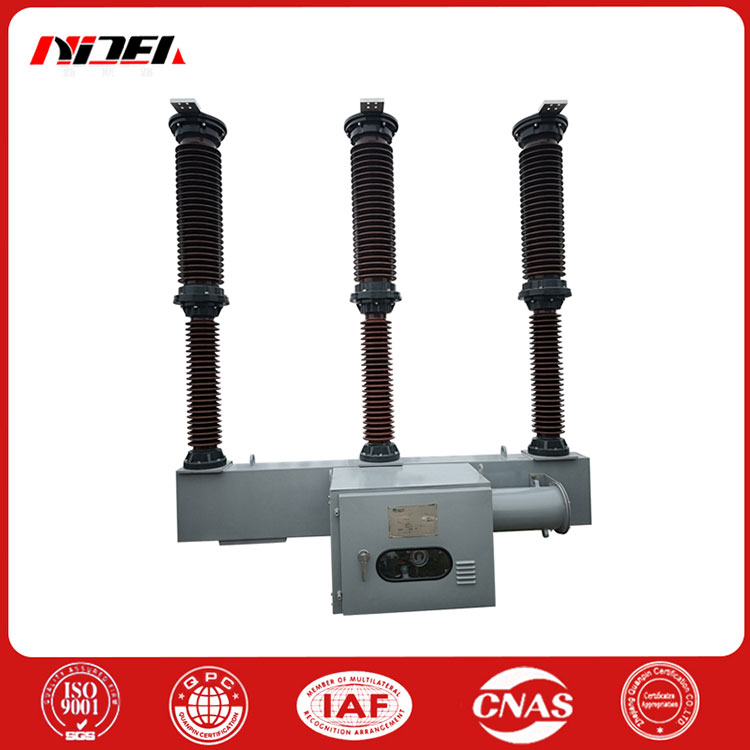
Ceramic Pillar High-Voltage AC Circuit Breaker
As a professional and high-quality manufacturer of Ceramic pillar high-voltage AC circuit breakers, you can rest assured to purchase Ceramic pillar high-voltage AC circuit breakers from our factory. We will provide you with the best after-sales service and timely delivery.

Outdoor High Voltage AC SF6 Circuit Breaker
As the professional manufacture, we would like to provide you Outdoor high voltage AC SF6 circuit breaker. And we will offer you the best after-sale service and timely delivery.

High-Volt Ac SF6 Dead Tank Circuit Breaker
The following is an introduction to the High-volt ac SF6 dead tank circuit breaker, hoping to help you better understand it. Welcome new and old customers to continue working with us and create a better future together!
As a professional Circuit Breaker manufacturer and supplier in China, we have our own factory and offer fashion items. You can contact us for a quotation.