How Do DC Operating Power Systems Support Stable Industrial Power Distribution?
Article Summary
DC Operating Power Systems play a critical role in ensuring uninterrupted, stable, and safe power supply across industrial, transportation, and utility infrastructures. Unlike AC systems, DC systems provide consistent voltage levels, making them ideal for control circuits, emergency backup systems, and sensitive equipment. This article explains how DC operating power systems work, their key components, advantages, applications, and common challenges. It also helps users understand how to select and maintain a reliable DC power solution for mission-critical environments.
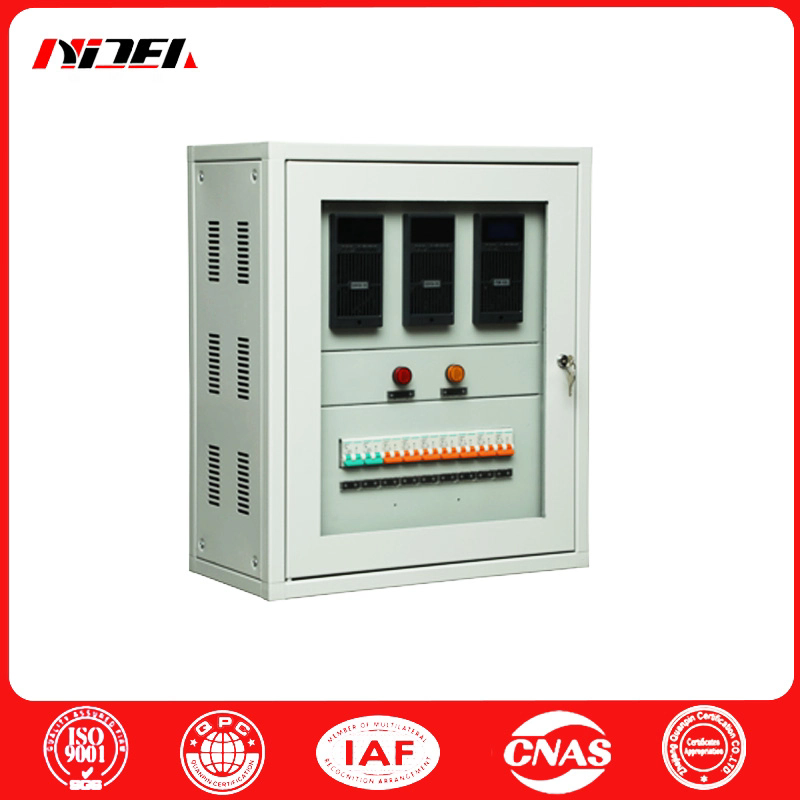
Table of Contents
- 1. Overview of DC Operating Power Systems
- 2. How DC Operating Power Systems Work
- 3. Core Components Explained
- 4. Key Advantages in Industrial Applications
- 5. Typical Application Scenarios
- 6. DC vs AC Power Systems Comparison
- 7. How to Choose the Right DC Power System
- 8. Maintenance and Reliability Considerations
- 9. Frequently Asked Questions
1. Overview of DC Operating Power Systems
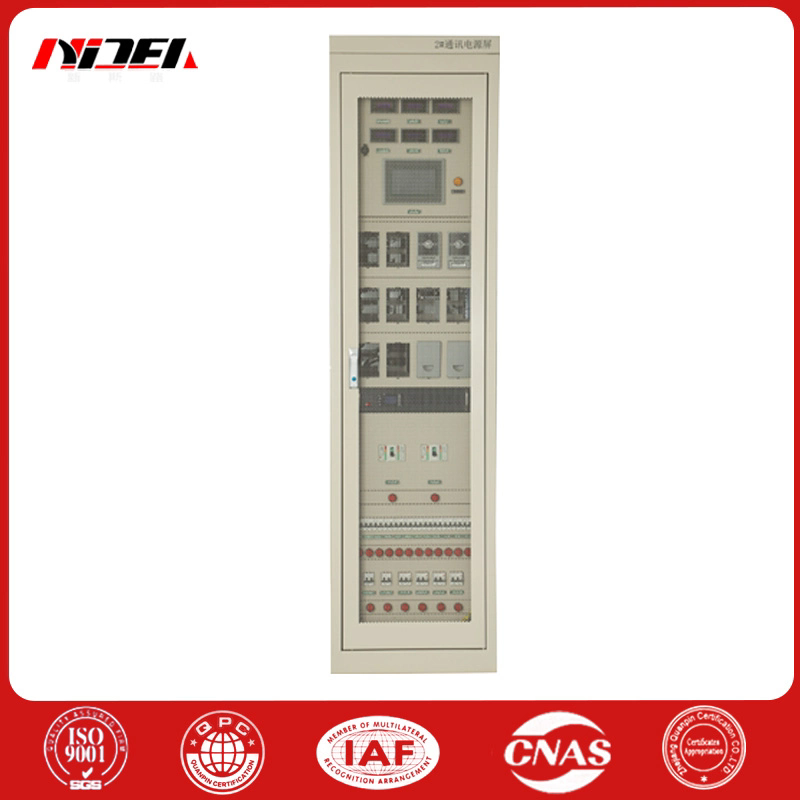
DC Operating Power Systems are engineered to deliver direct current power to critical loads that require high reliability and stable voltage. These systems are widely used in substations, railways, telecommunications, and industrial automation environments. Their primary purpose is to ensure that even during grid failures, essential equipment continues operating without interruption.
Unlike alternating current systems, DC systems eliminate frequency variations, which reduces operational risks for sensitive electronic devices and control systems.
2. How DC Operating Power Systems Work
A DC operating power system typically converts AC input power into DC output using rectifiers. The converted energy is then stored in batteries and regulated before being distributed to loads.
- AC Input: Utility or generator power enters the system
- Rectification: Converts AC to DC using rectifier units
- Energy Storage: Batteries store backup energy
- Distribution: DC power is supplied to critical equipment
This structure ensures that even if the primary power source fails, the battery bank immediately takes over, maintaining uninterrupted operation.
3. Core Components Explained
| Component | Function |
|---|---|
| Rectifier Unit | Converts AC to DC power efficiently |
| Battery Bank | Stores energy for backup supply |
| DC Distribution Panel | Distributes power to different loads |
| Monitoring System | Tracks voltage, current, and system health |
| Inverter (optional) | Converts DC back to AC when required |
Each component must work seamlessly to ensure system stability, especially in mission-critical environments where downtime is not acceptable.
4. Key Advantages in Industrial Applications
DC Operating Power Systems offer several advantages that make them indispensable in modern infrastructure:
- High Reliability: Continuous power supply even during grid failure
- Stable Output: No frequency fluctuations
- Fast Response: Instant switchover to battery backup
- Low Maintenance: Fewer moving parts compared to AC systems
- Safety: Reduced risk of electrical disturbances
5. Typical Application Scenarios
DC operating power systems are widely used across multiple industries where reliability is critical.
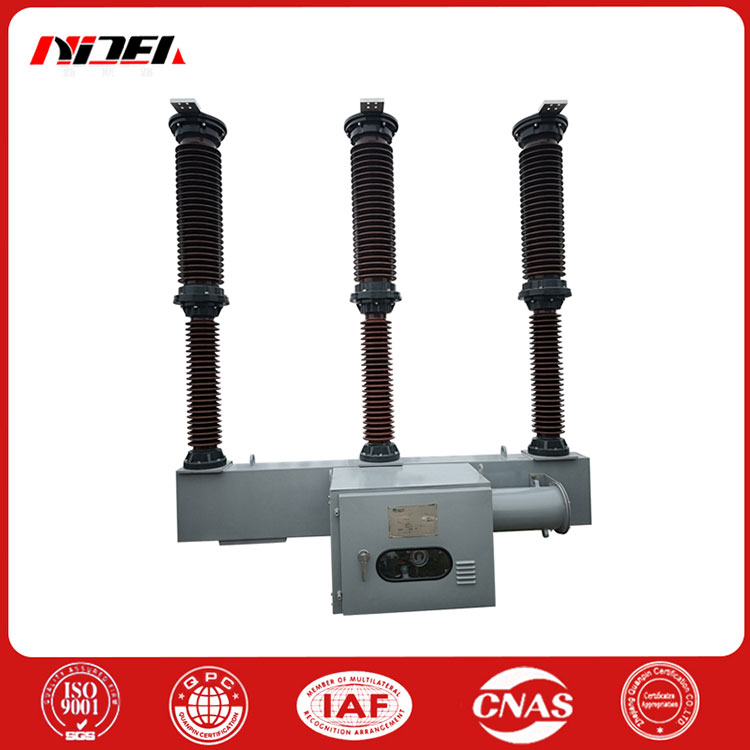
- Power substations for protection and control systems
- Railway signaling and communication systems
- Telecommunication base stations
- Industrial automation plants
- Oil, gas, and petrochemical facilities
In each of these environments, even a few seconds of power loss can result in significant operational and financial risks.
6. DC vs AC Power Systems Comparison
| Feature | DC Power Systems | AC Power Systems |
|---|---|---|
| Voltage Stability | Very stable | Subject to fluctuation |
| Energy Storage | Integrated battery backup | Requires external UPS |
| Maintenance | Lower | Higher |
| Best Use Case | Control & backup systems | General power distribution |
7. How to Choose the Right DC Power System
Selecting the right system depends on operational requirements and environmental conditions. Key factors include:
- Load capacity and power demand
- Battery autonomy time requirements
- Environmental temperature and humidity conditions
- System scalability for future expansion
- Monitoring and remote management features
A well-designed system ensures long-term stability and reduces unexpected downtime risks.
8. Maintenance and Reliability Considerations
Proper maintenance ensures long-term reliability of DC operating power systems. Regular inspection of batteries, rectifiers, and cooling systems is essential.
- Check battery voltage and health regularly
- Inspect cable connections for wear or corrosion
- Monitor rectifier efficiency and heat levels
- Ensure ventilation systems are clean and functional
Preventive maintenance significantly extends system lifespan and improves operational reliability.
9. Frequently Asked Questions
Q1: What makes DC operating power systems more reliable?
They provide stable voltage and immediate backup through battery integration, reducing downtime risk.
Q2: Can DC systems support large industrial loads?
Yes, they are scalable and widely used in substations and heavy industrial environments.
Q3: How long do backup batteries typically last?
Depending on configuration, they can provide backup power from minutes to several hours.
Q4: Are DC systems expensive to maintain?
No, they generally require lower maintenance compared to AC-based systems due to fewer moving components.
Conclusion
DC Operating Power Systems are essential for modern infrastructure that demands uninterrupted and stable power delivery. Their ability to provide seamless backup power, stable output, and high operational reliability makes them indispensable in critical industries.
For organizations seeking robust and customized DC power solutions, New Idea Electric Co., Ltd. provides advanced engineering support and reliable system designs tailored to industrial requirements.
To learn more or explore tailored solutions, contact us today and discover how our DC operating power systems can enhance your operational stability.
Related News
- Why Choose High Frequency Series UPS for Next-Level Power Protection?
- How Does a Communication Power Enhance Modern Network Reliability?
- What Are Circuit Breakers?
- How do Distributed Operating Power Supplies Address Power Supply Pain Points of Decentralized Equipment Across Key Fields?
- Can DC Operating Power Systems Reduce Your Operational Costs
- How do DC Operating Power Supply Systems Support Stable Equipment Operation in Power, Industrial, Data Center and Rail Transit Sectors?
Leave me a message